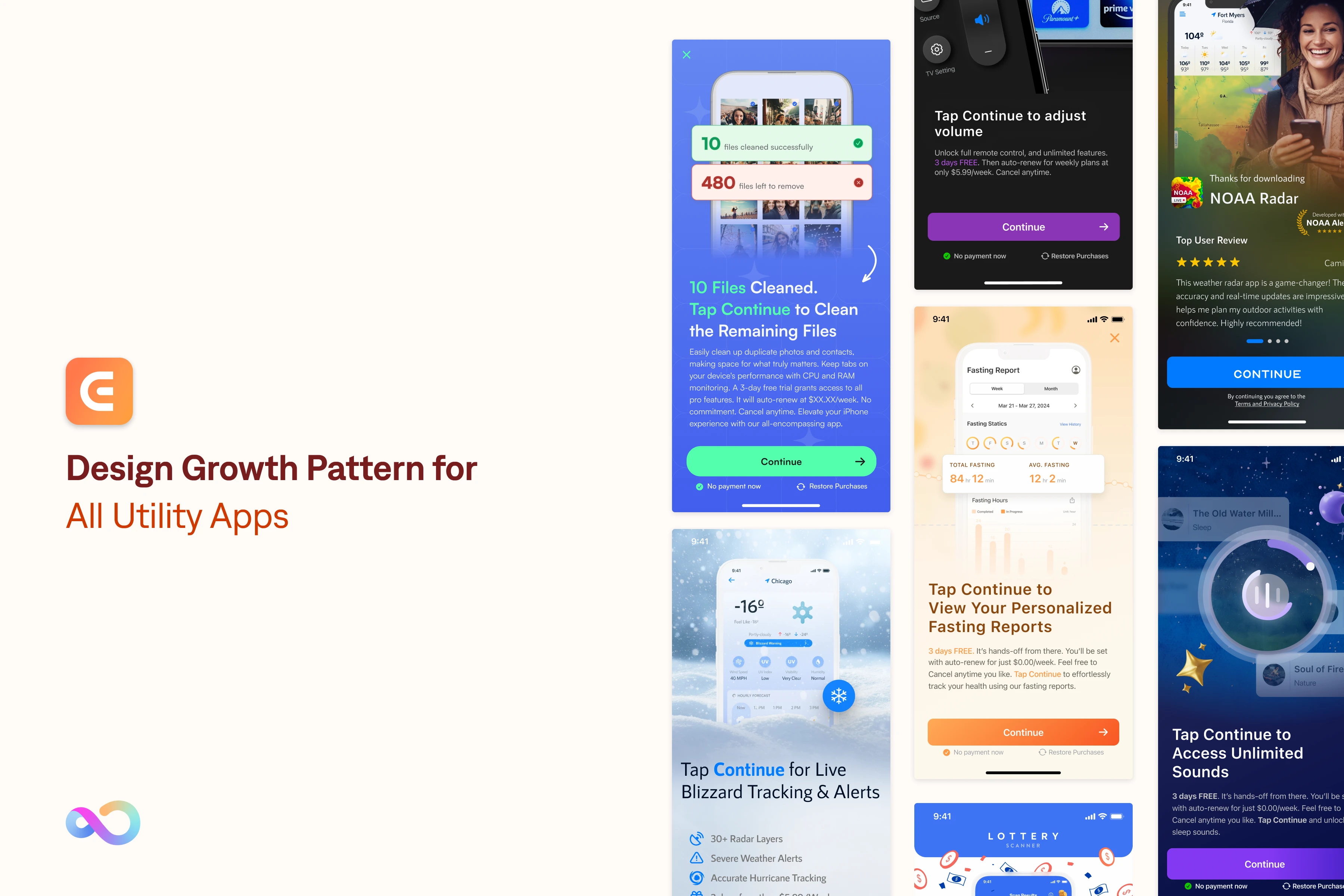
Final high-fidelity design
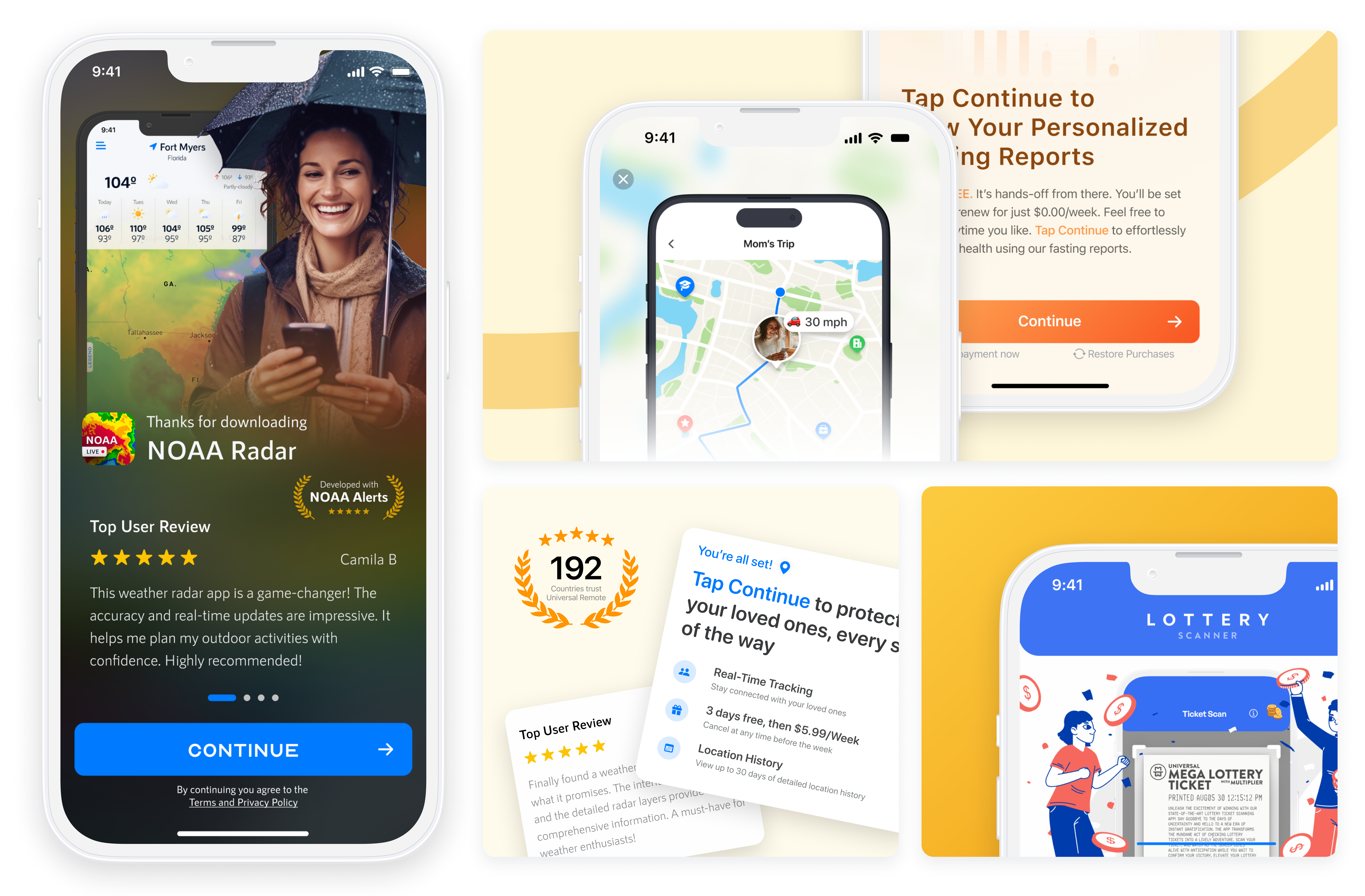
The growth framework in action across the utility portfolio
Deep dives
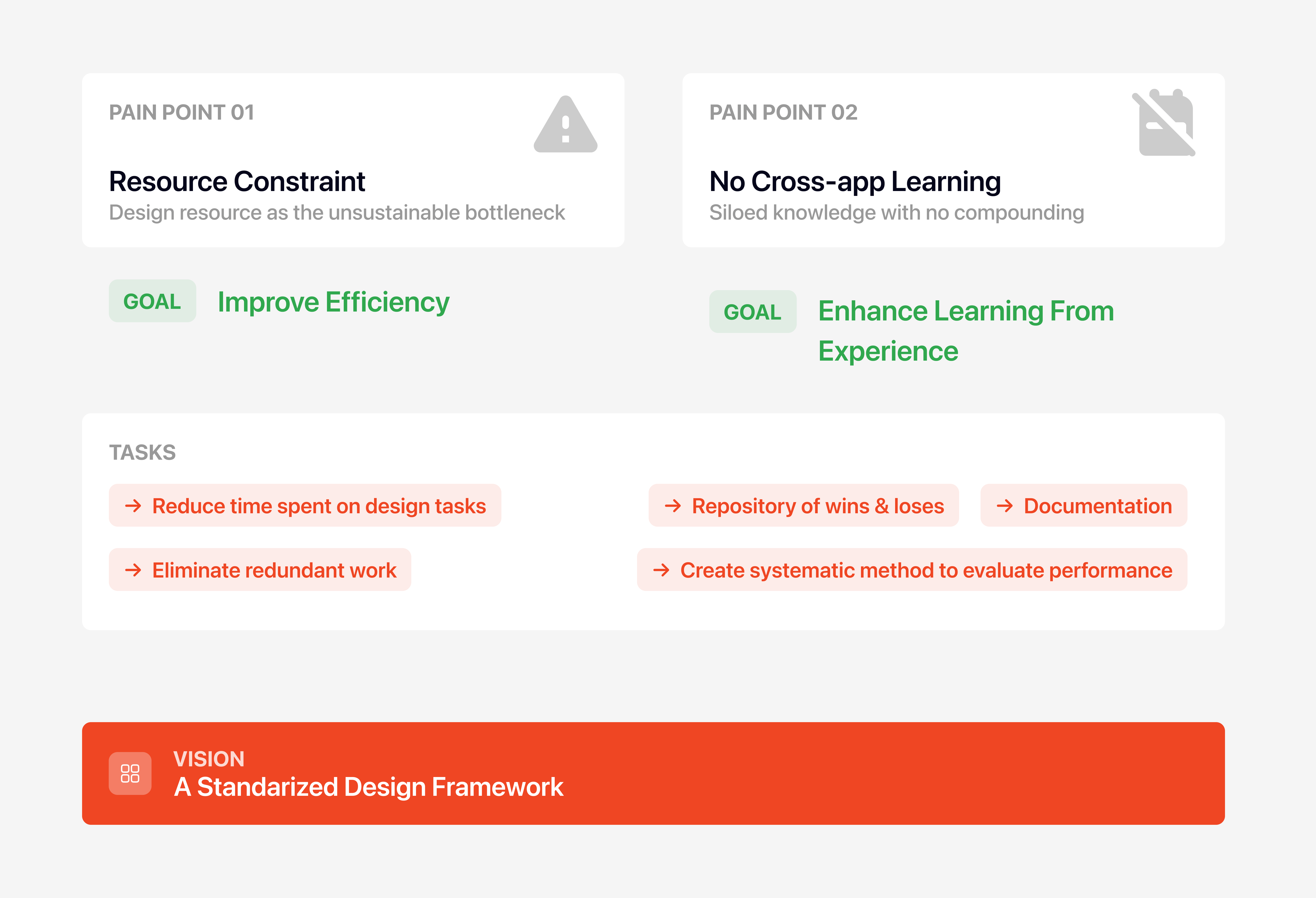
The Constraint
The business needed to rapidly scale the portfolio, but we were bottlenecked. Every launch needed to:
- Be supported by a lean design team without causing burnout.
- Overcome siloed knowledge where we couldn’t leverage cross-app learning or avoid repeated mistakes.
- Align stakeholders across 5 distinct teams who had varying priorities.
- Maintain or increase baseline start-trial conversions without adding overhead.
Shifted the team to a Standardized Design Framework instead of designing screens ad-hoc.
Spearheaded alignment across cross-functional teams to build a shared repository of A/B test wins and losses.
Having a standardized growth design framework could help solve the pain points since not only could it solve the immediate resource constraint but also builds long-term organizational capability for faster, more effective app development.
Activation - Build a 3-screen Onboarding Framework As the Firm Foundation
I first connected with PM and discussed the goals for activation: Having a standardized onboarding flow
- To reduce the time spent on building up new Onboarding flows for new apps.
- Could served as the firm foundation for the team to start testing on different elements based on each App’s key features and working scenarios.
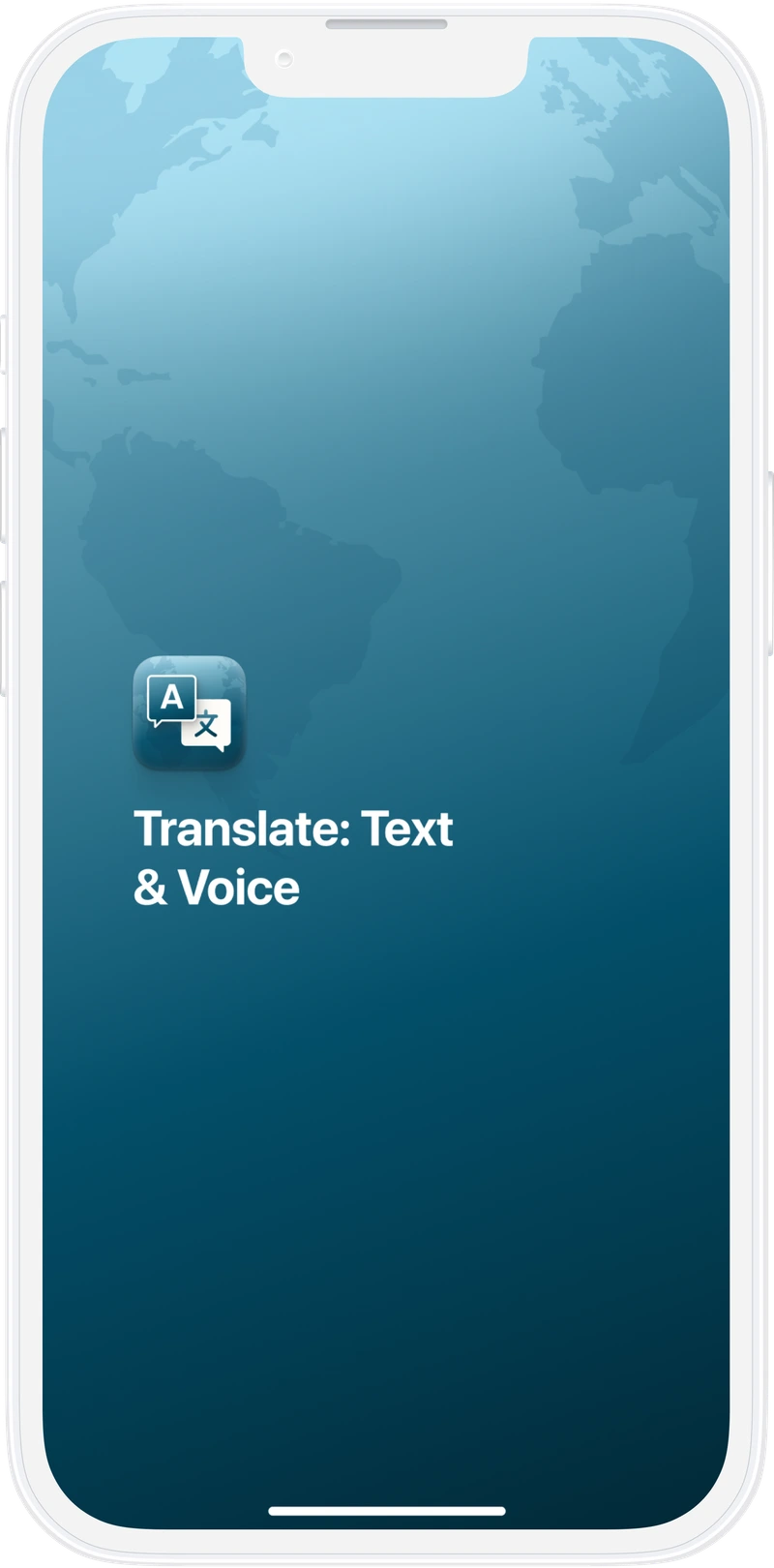
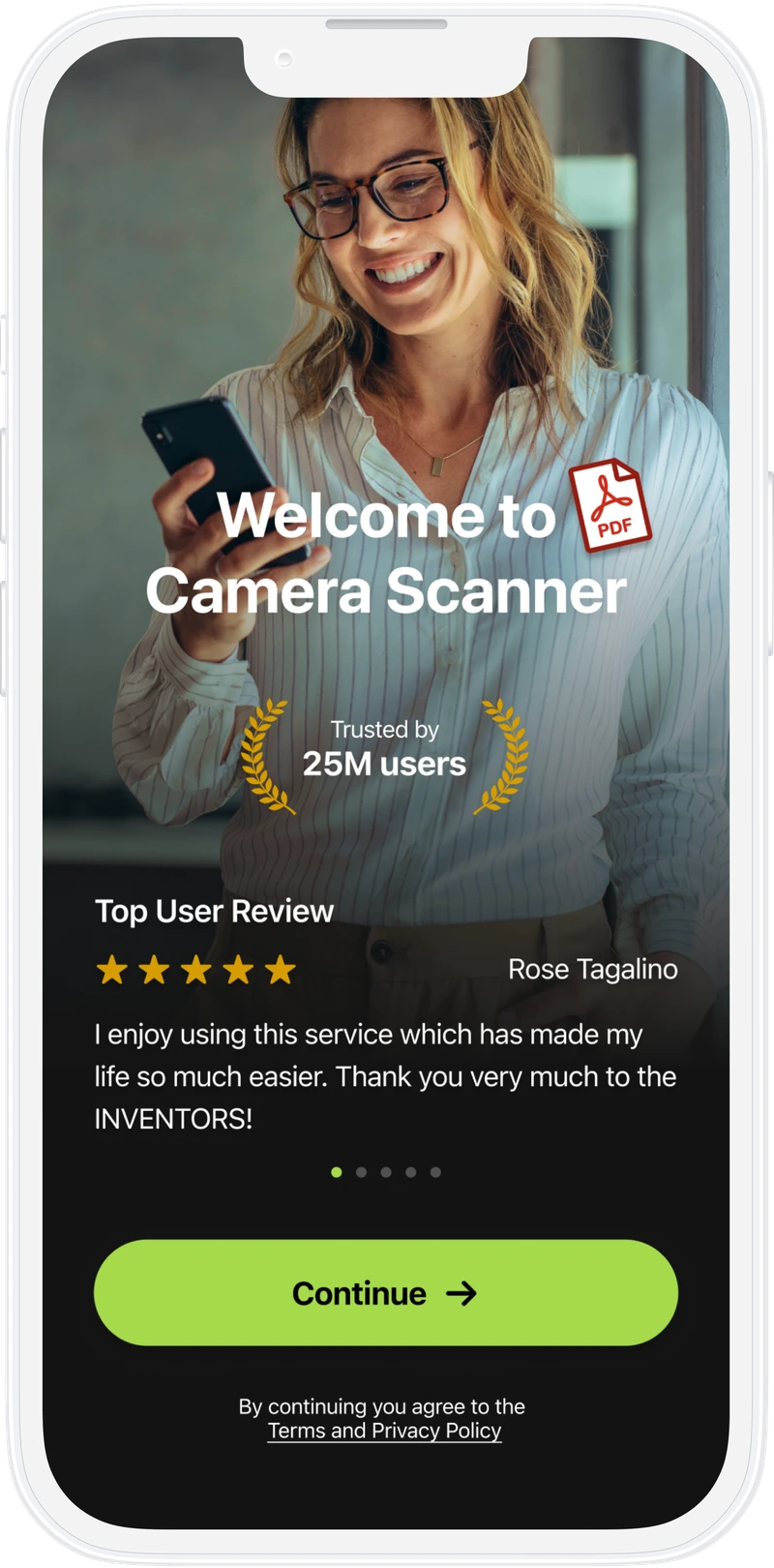
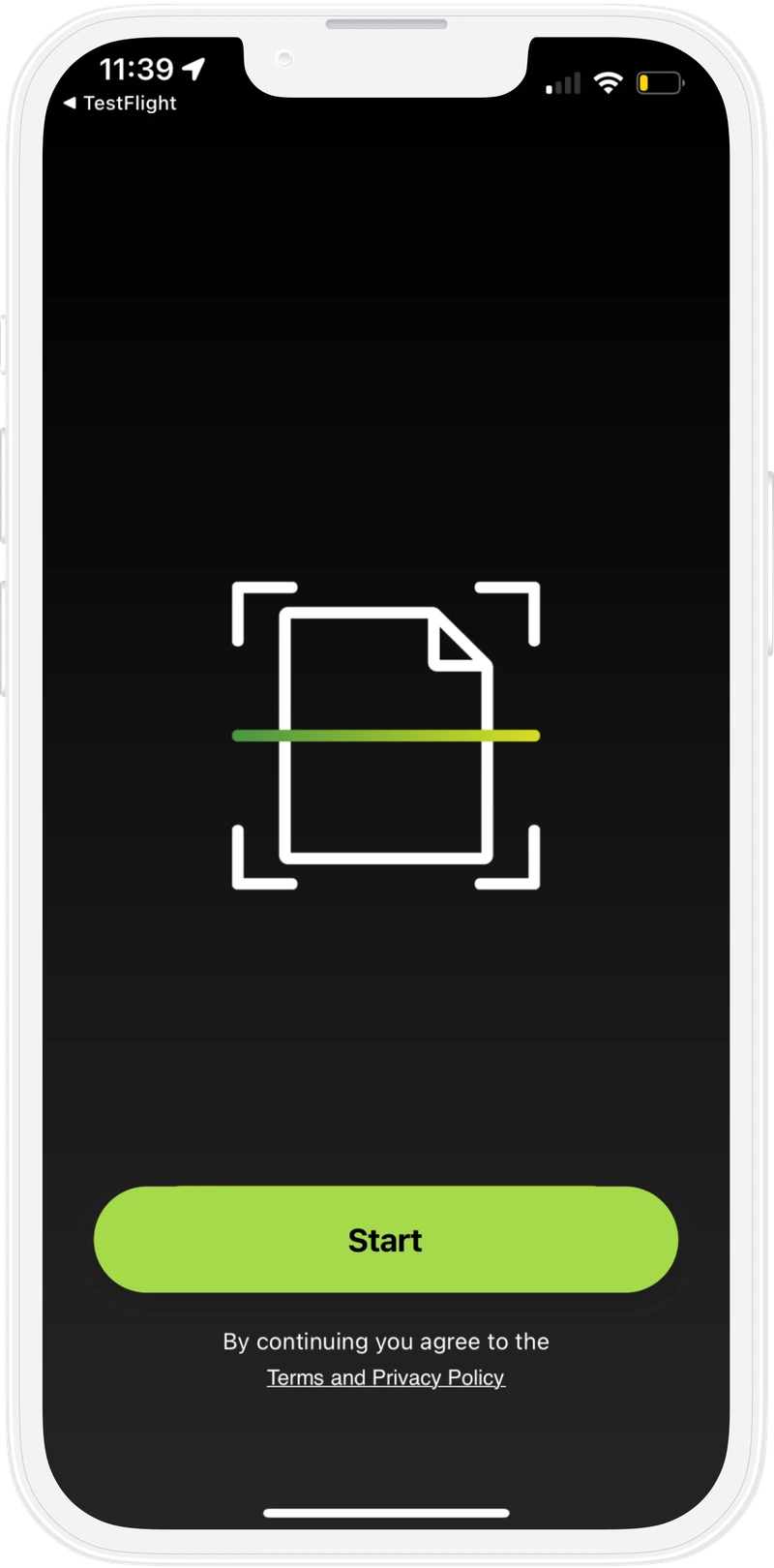
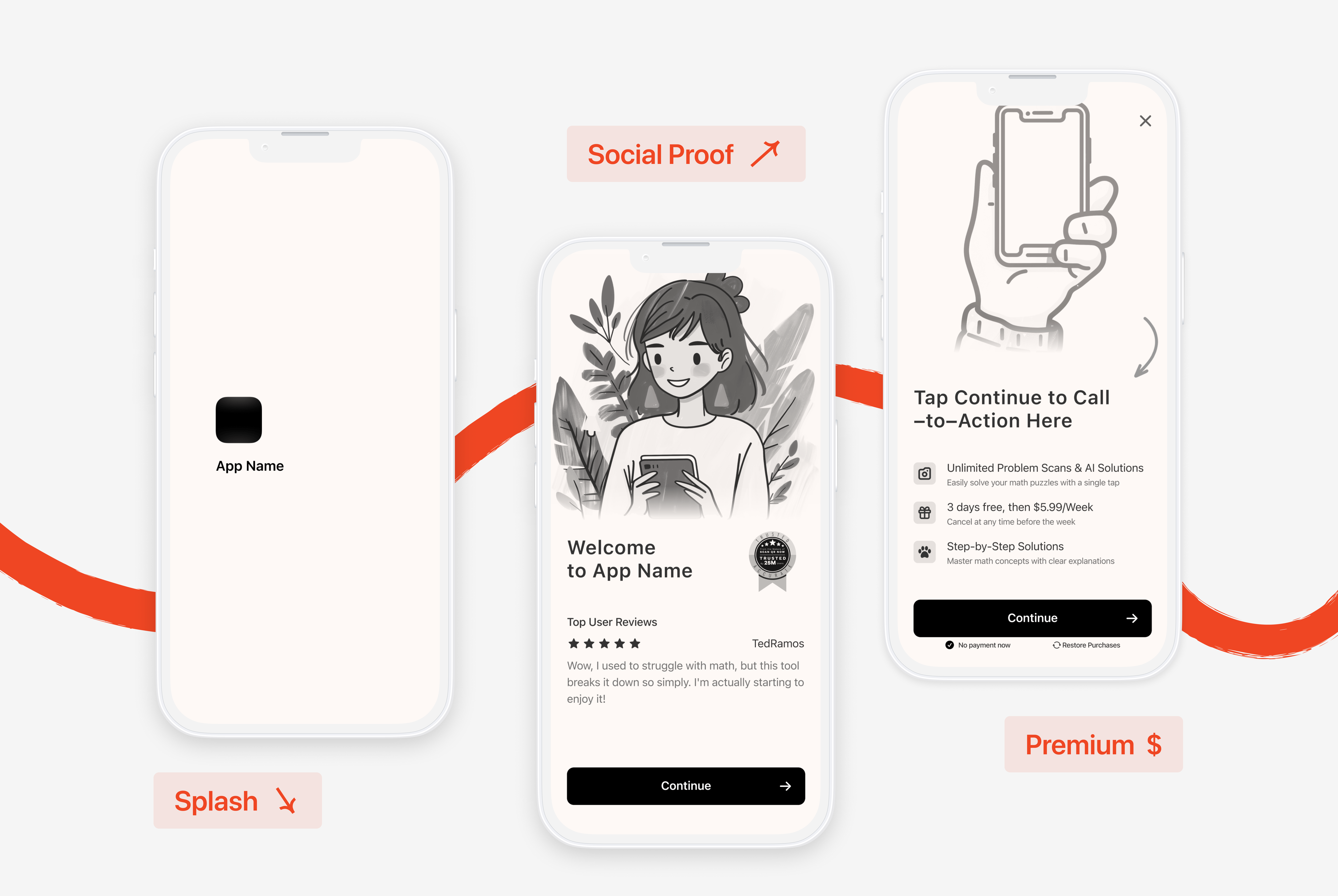
Designed and rigorously A/B tested a standardized 3-screen onboarding sequence: Splash → Social Proof → Premium.
Psychology-Driven Design
After referring psycology principles and doing some exploration. I integrated specific psychological elements, including Social Proof (showcasing positive user reviews to reinforce value), Leading Lines (to visually guide users to desired actions), and Targeted CTA Headlines.

Social Proof
Showcasing real user reviews on the splash screen to reinforce perceived value before the ask.
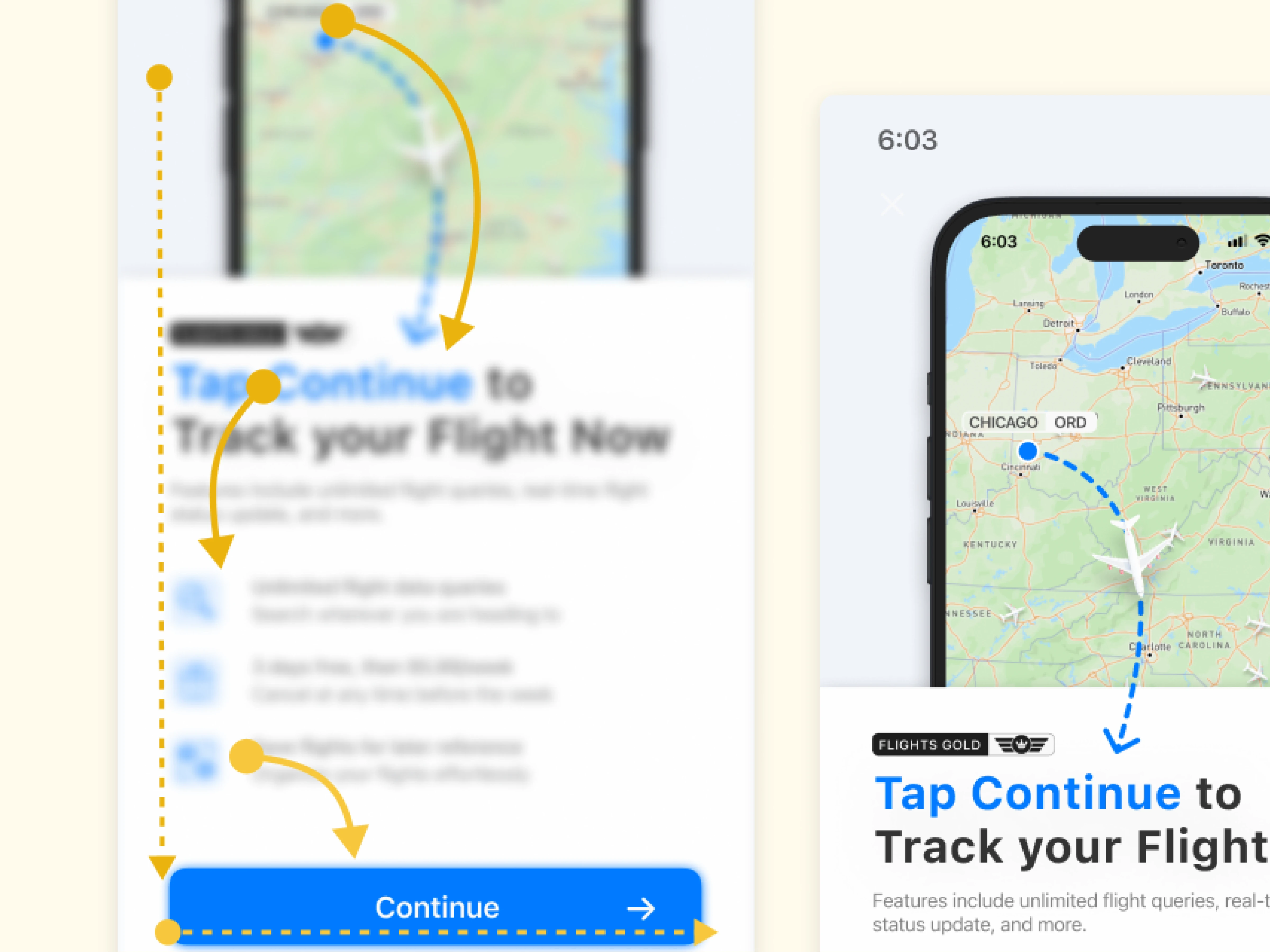
Leading Lines
Visual composition guides the eye toward the primary CTA, reducing hesitation at decision points.
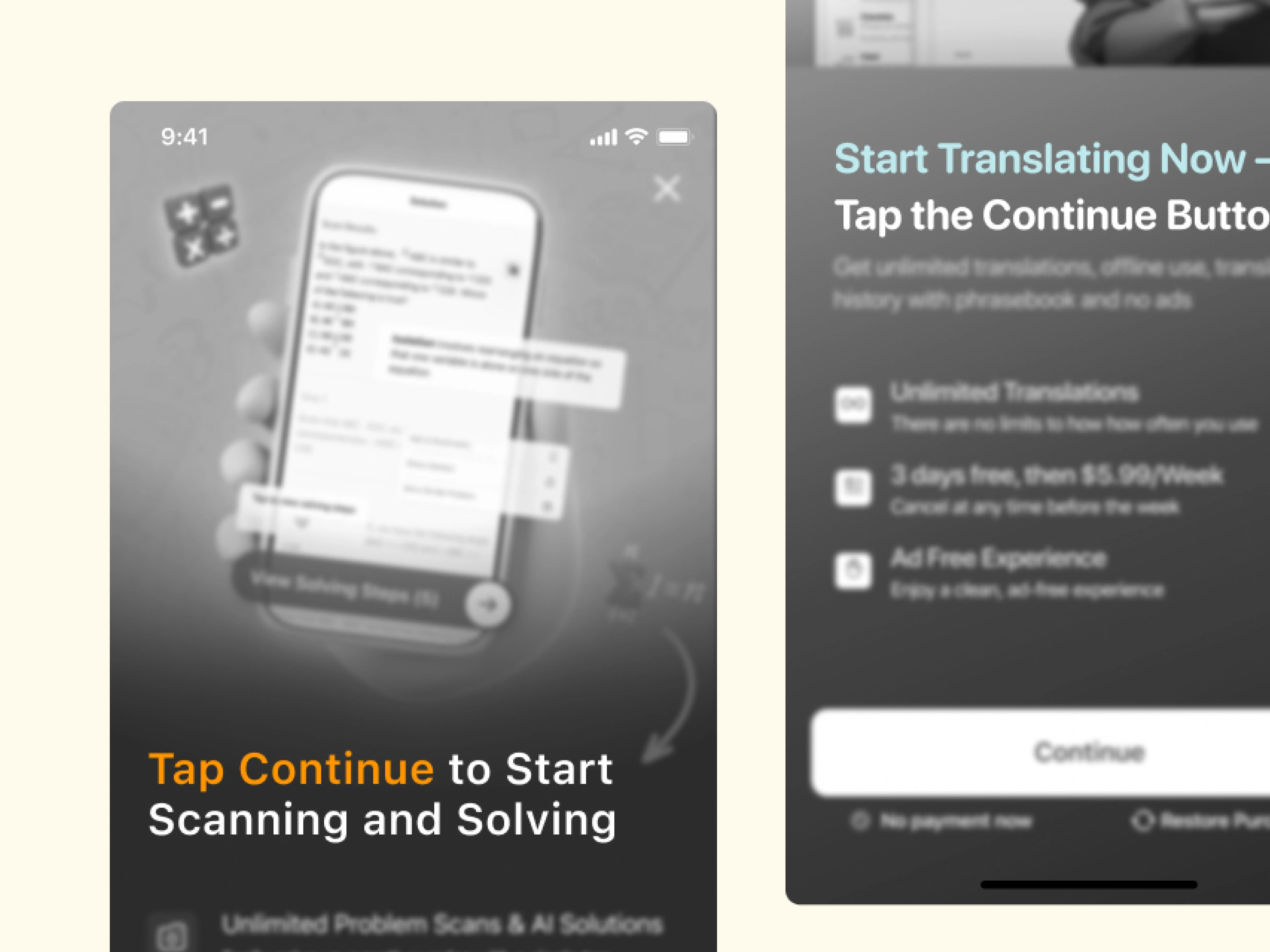
Targeted CTA Headlines
Headlines matched to the user's current job-to-be-done, increasing headline-to-tap conversion.
Data-Backed Decisions
After design, I conducted several rounds of A/B Testing (also with previous testings) to validate assumptions and make design decisions in the following:
- Length of the onboarding
- What elements work the best in terms of improving start trial rate
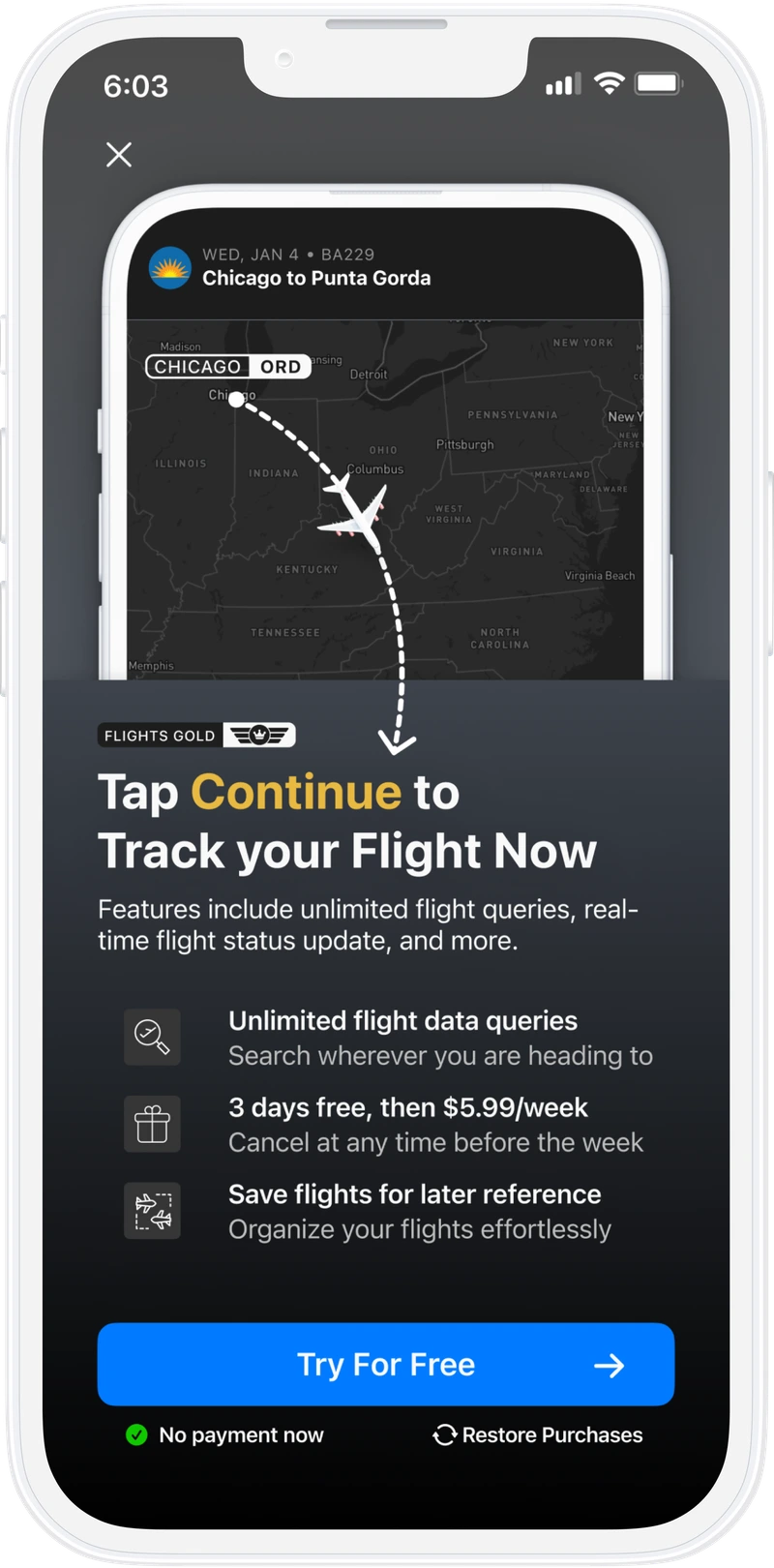
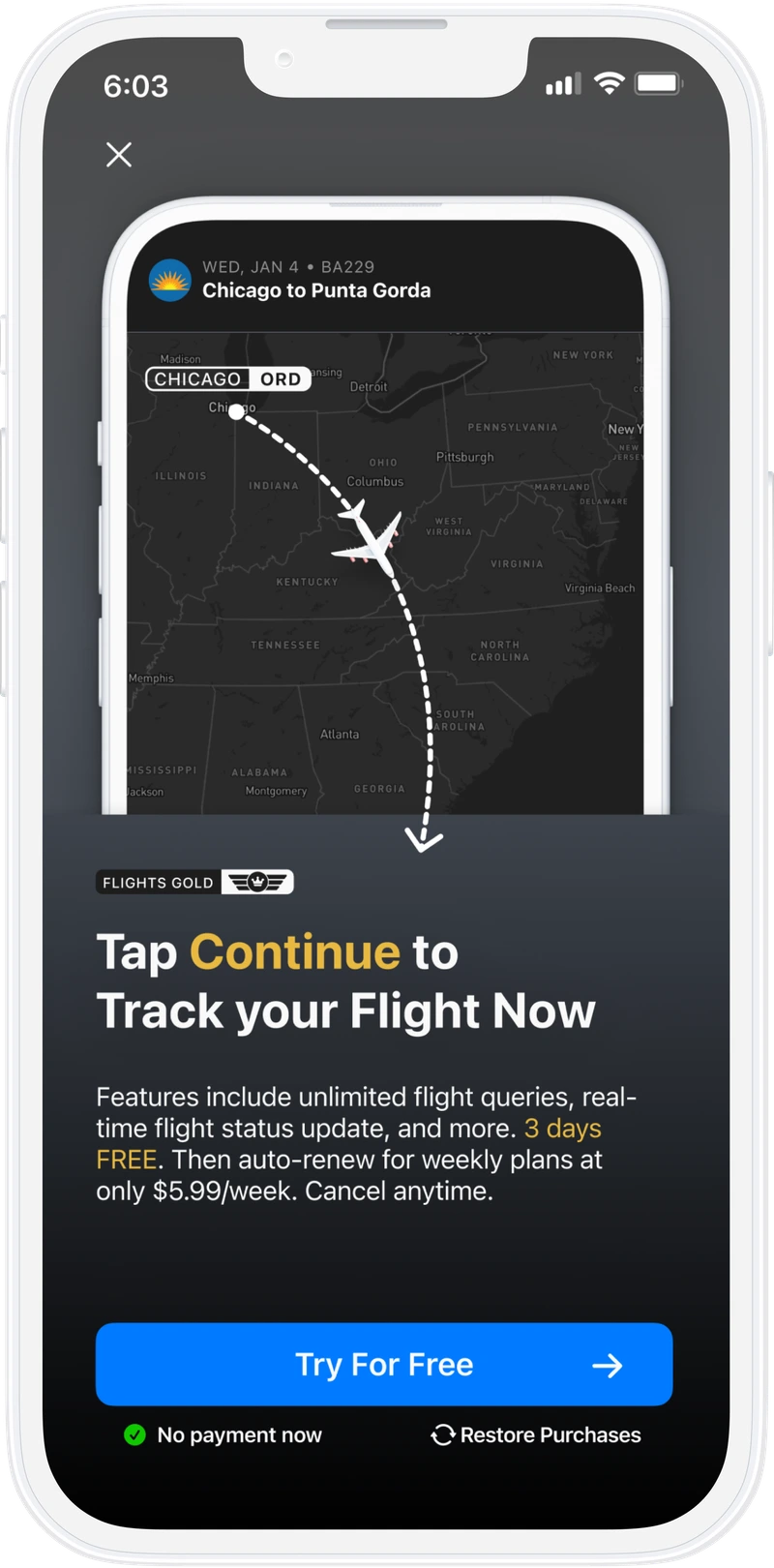
Through multiple A/B tests, I proved that adding Social Proof , “Sandwiching” benefits in bullet points , and using a 3-page flow with a splash screen (versus a 2-page flow) yielded the most optimal start trial rates.
Test
Control

Test
Control
Test
Control
The Deliverable
This was packaged into a reusable UI Kit within our design system, providing a solid foundation for scalability.
Monetization via Labor-Perception Bias
After discussing with UA and PM, we aligned on the goals for Monetization: Identifying scalable solutions to minimize upgrading friction
Then I analyzed our premium flows through the lens of psychology and decided to utilize Labor-Perception Bias (users become invested in their progress after spending time on a task) to improve monetization.
The Application
Using our AI Math Solver app as an example, instead of hitting users with a paywall immediately, we allowed them to deeply engage by scanning a problem and waiting for the “Analyzing” state. We pitched the premium upgrade exactly at the “Solution Found!” moment to boost upgrade motivation.
The Execution
Used animation and tactile feedback to reinforce the user's motivation to upgrade.
I collaborated with motion designers to create loading animations with visual and tactile feedback to reinforce the user’s motivation to upgrade before the pitch. This framework boosted the In-App Start Trial Rate from 6.15% to 7.01% on the Math app. It also brings around 41% increase in In-App Start Trial Rate across the board.
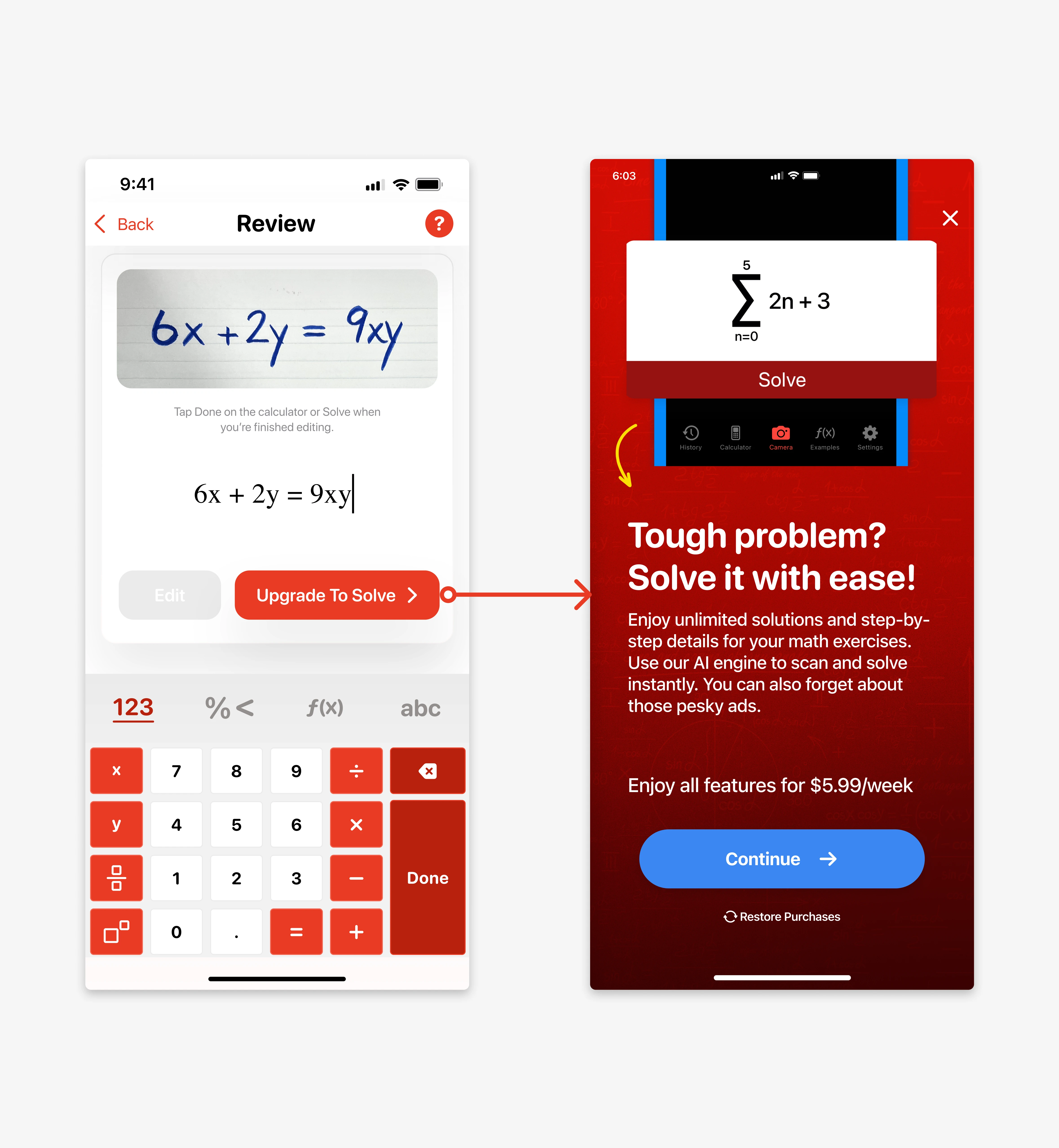
← Before
Immediate paywall — users hit the upgrade screen before any engagement
After →
LPB flow — premium pitch lands at peak motivation (Solution Found! moment)
The Global-to-Local Design System
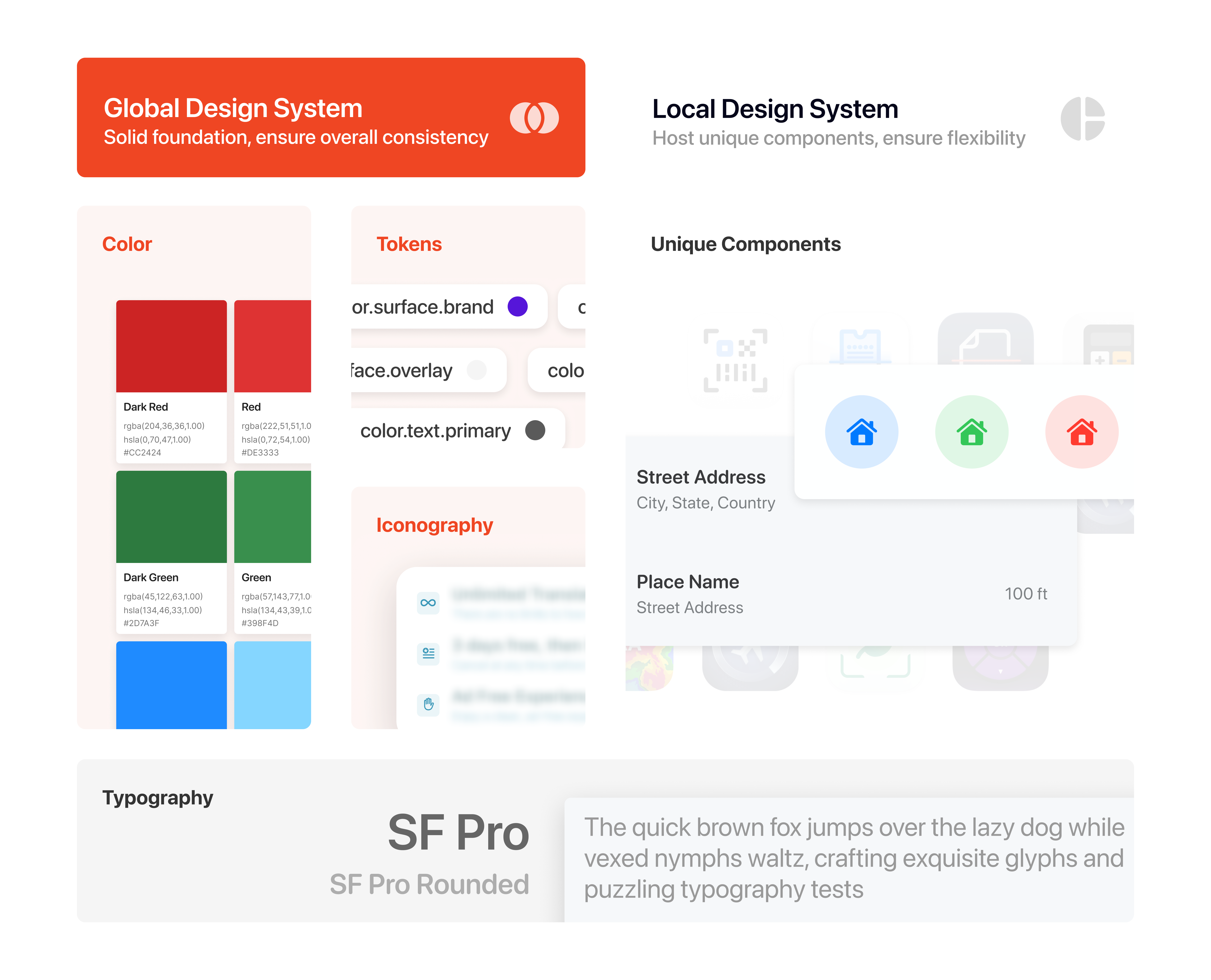
To solve the design bottleneck, I built a Global Design System for all utility apps to ensure baseline consistency (colors, typography, basic UI components) . This was paired with a Local Design System for each app to host unique components and ensure flexibility.
Collaboration & Team Alignment
Managing a 20-person, 5-team initiative required deliberate communication. I established a rule to provide clear goals and purpose during each collaboration session, documented all key insights for the team’s reference, and created compelling presentations to secure stakeholder buy-in early on. This fostered strong alignment on our growth goals across all departments.
Impact
Reflection
Designing for scale
This project shifted my approach to design. I now start thinking about overarching scalability rather than focusing on individual wins and immediate needs.